Why old backup tapes are a bigger risk than old laptops
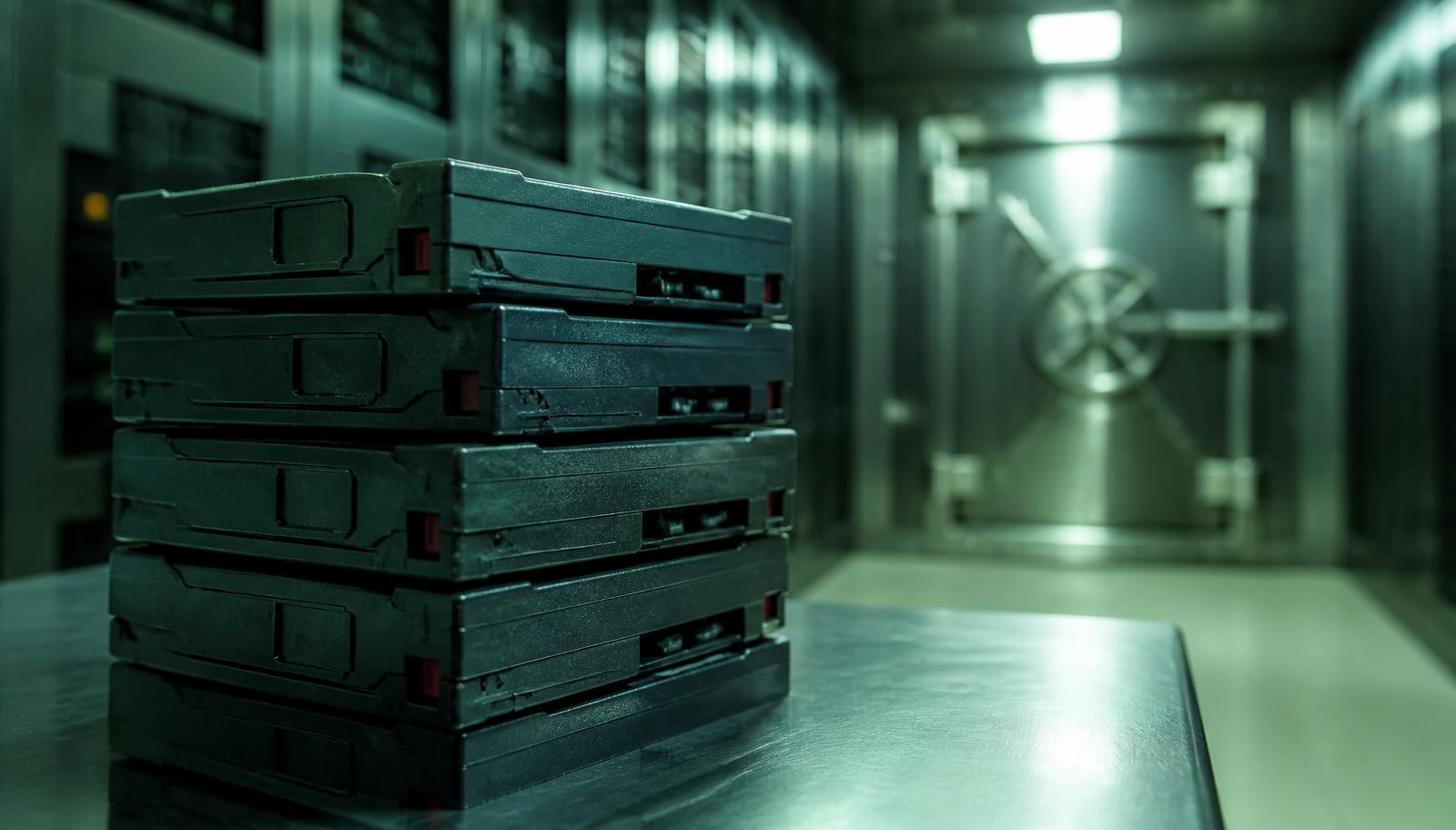
A single LTO-8 cartridge can hold 12TB of uncompressed data — often a complete historical snapshot of finance records, HR files, customer databases and email archives. Unlike a laptop that leaves with a departing employee, tapes tend to sit forgotten in a cupboard, a basement or an offsite storage box for a decade. They are rarely on an asset register, and almost never encrypted if they predate 2015.
That combination — old, unencrypted, high-volume, off-register — is exactly what makes backup tapes one of the most common causes of avoidable data exposure when an office moves, a company is acquired, or a server room is finally cleared out.
What UK law expects
Under the UK GDPR and the Data Protection Act 2018, personal data must be kept no longer than necessary and must be protected with appropriate technical and organisational measures — including at the point of disposal. Handing a box of tapes to a general waste carrier is not a disposal method; it is an uncontrolled transfer of personal data.
Separately, the Waste Electrical and Electronic Equipment (WEEE) Regulations mean tapes, cartridges and their housings must be handled by a licensed waste carrier and processed through a permitted facility. You are expected to be able to show where the material went.
If you cannot produce a document that says what was destroyed, when, and by whom, you cannot evidence compliance — regardless of what actually happened to the tapes.
Degaussing vs shredding: which do you need?
| Method | How it works | Best for | Limitations |
|---|---|---|---|
| Degaussing | A strong magnetic field scrambles the magnetic domains on the tape | Bulk magnetic media where the cartridge shell is being recycled | No visual proof of destruction; ineffective on non-magnetic media |
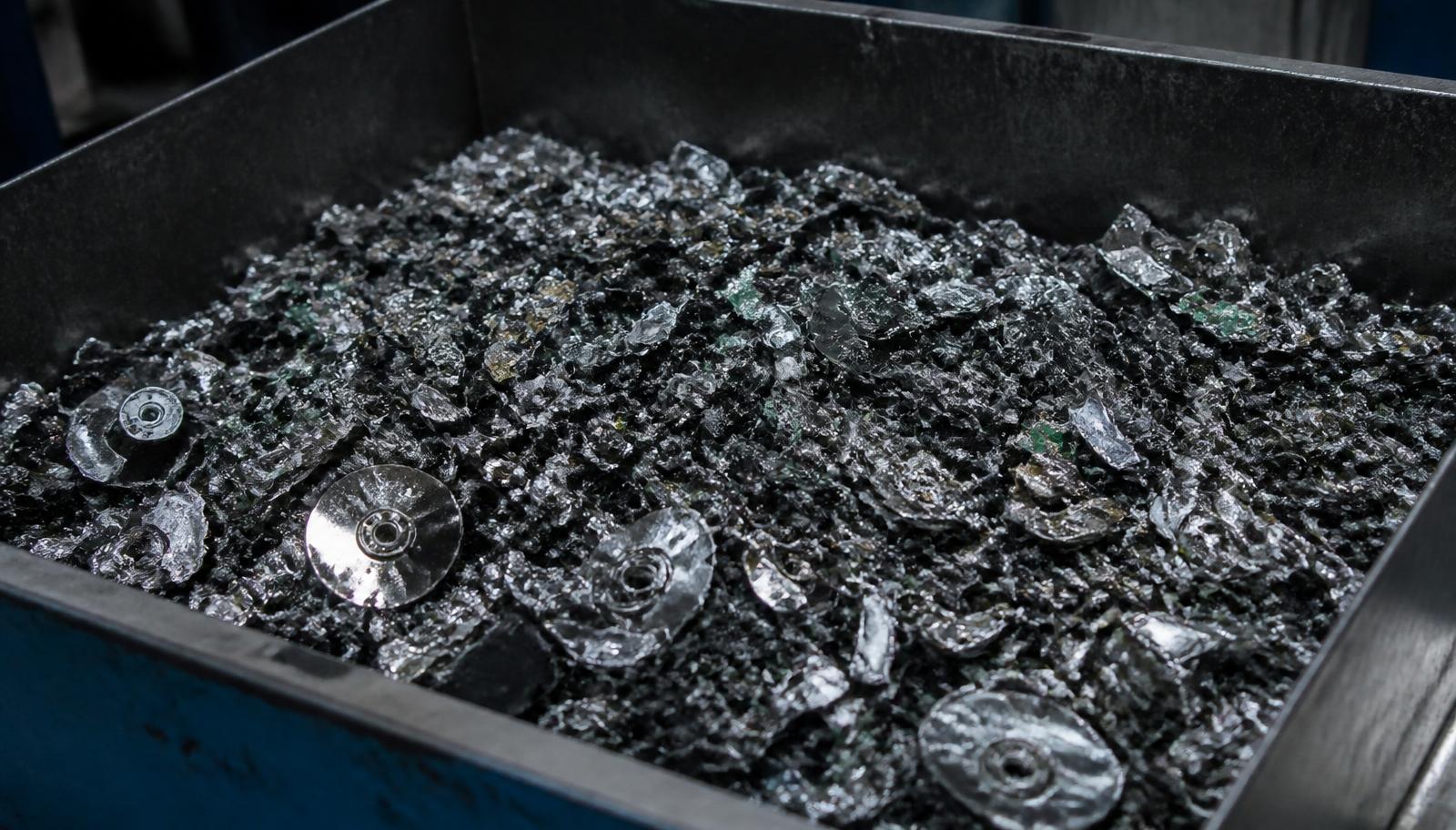
| Shredding | The cartridge and tape ribbon are mechanically reduced to fragments | Any tape format; where visible, auditable destruction is required | Cartridge cannot be reused |
| Degauss then shred | Both, in sequence | Highly sensitive or regulated data | Slightly slower throughput |
For most UK businesses, shredding is the sensible default: it produces media that is visibly and irreversibly destroyed, which is far easier to evidence to an auditor, an insurer or the ICO than a magnetic process that leaves the cartridge looking untouched.
Which tape formats can be destroyed
- LTO-1 through LTO-9 cartridges
- DAT / DDS and DLT / SDLT tapes
- AIT, Travan and legacy QIC cartridges
- Cleaning cartridges and tape libraries or autoloaders
- Optical archive media — CD, DVD, Blu-ray and UDO
Chain of custody: the part most people skip
Secure destruction is only as strong as the weakest link in the journey. A defensible process looks like this:
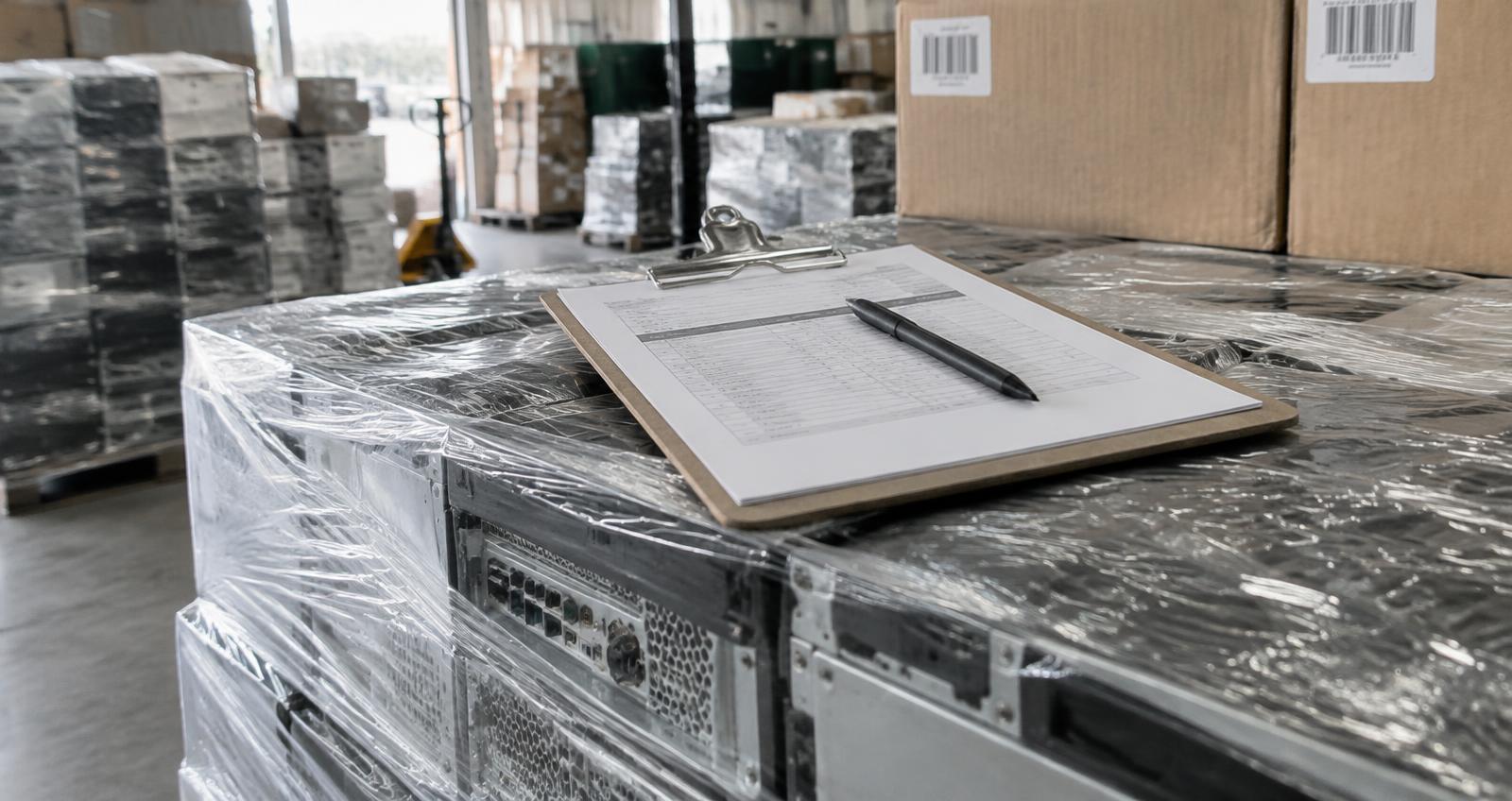
- Inventory before collection. Tapes are counted and, where barcoded, recorded by serial or barcode.
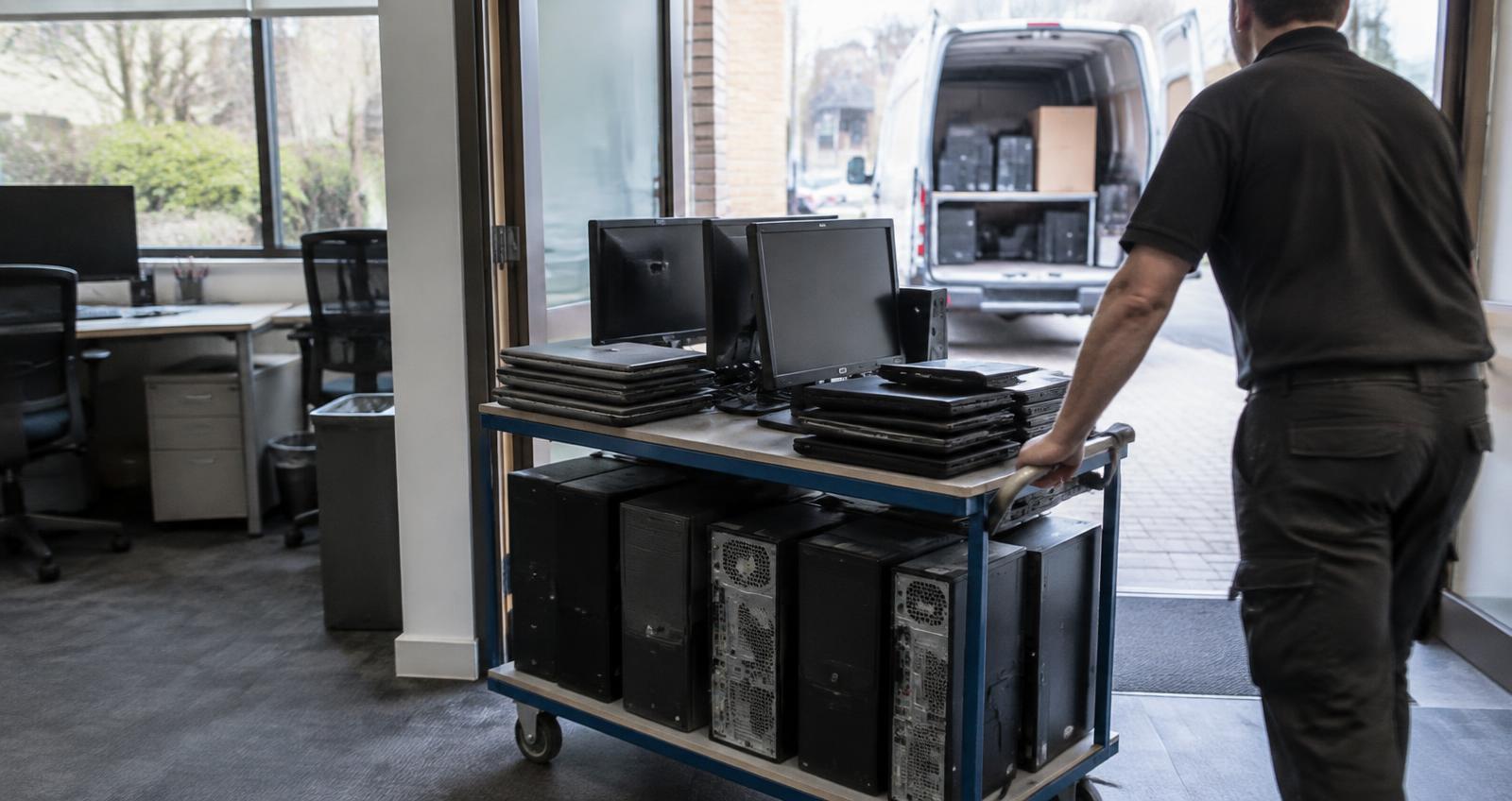
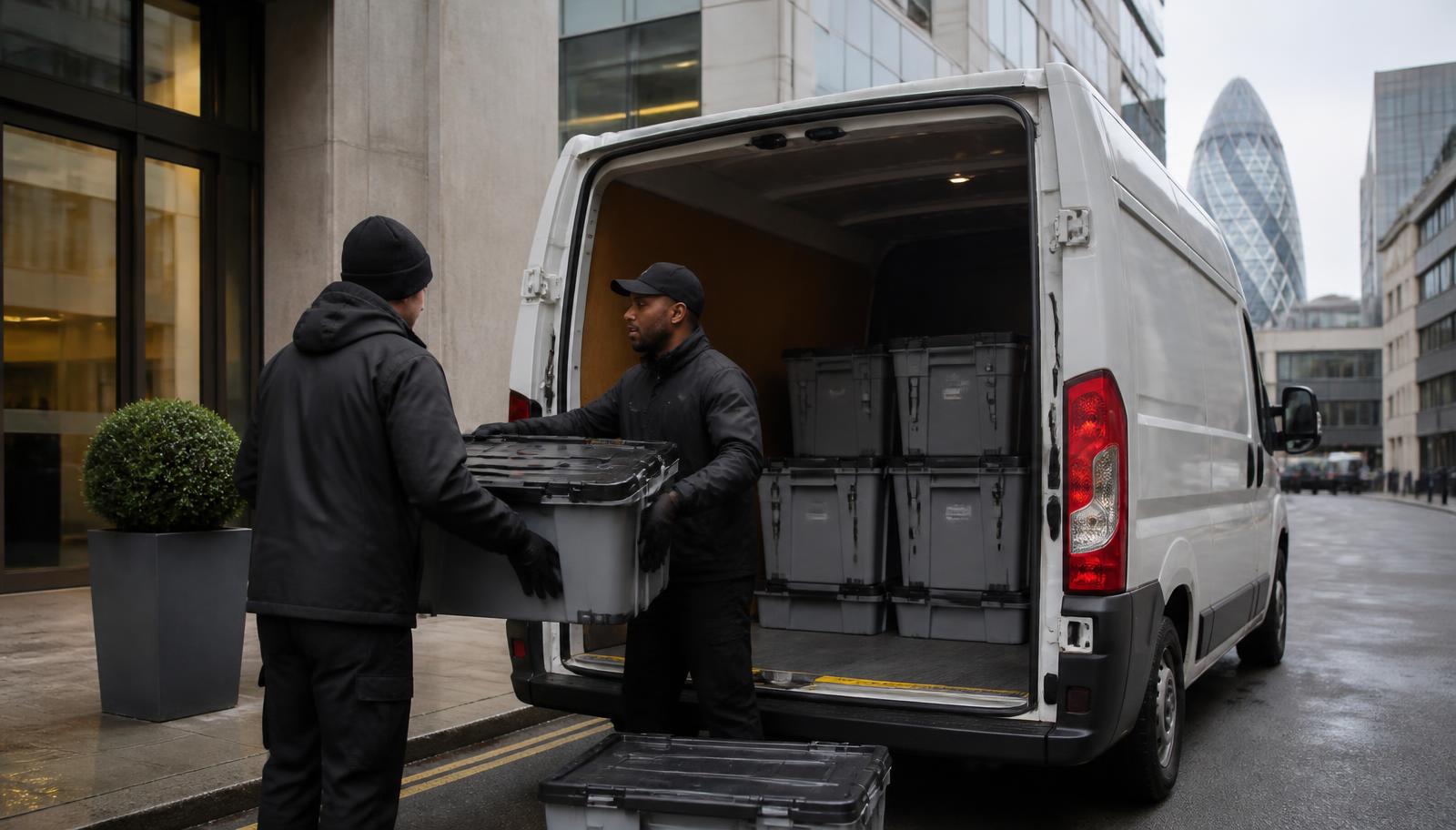
- Sealed transport. Media is moved in lidded, sealed crates in a tracked vehicle — not loose in a car boot.
- Controlled facility. Media is booked in at a CCTV-monitored site and held in a secure area until processed.
- Destruction. Cartridges are shredded and the output is sent for materials recovery.
- Certificate of Destruction. A signed document lists what was destroyed, the method used and the date, and is emailed to you for your records.
What it should cost
At ByeByte, backup tape destruction is free. We fund the service through the recovery of raw materials — aluminium, copper, steel and rare earths — from the wider IT equipment we process. Devices that are still functional, or can be made functional, are made available for charities and non-profits free of charge; equipment that cannot be repurposed is scrapped down for those raw materials. You are not charged a per-cartridge destruction fee, a collection fee or a certificate fee.
Items which cannot be repurposed are scrapped down for their raw materials. Devices which are still functional or can be made functional are made available for charities and non-profits to receive free of charge.
Where a paid provider charges per tape, ask them exactly what is included: some quote for destruction but bill separately for collection, weighing, and the certificate itself.
A practical checklist before you book
- Pull every tape out of storage, including offsite boxes and old fire safes
- Check for tape libraries, autoloaders and standalone drives that can go at the same time
- Note roughly how many cartridges you have — a rough count is enough
- Decide whether you need barcode-level itemisation on the certificate
- Book a collection window that suits your building's loading access
If you are clearing a server room, it is usually cheaper and simpler to have tapes, drives, servers and networking gear collected in one visit rather than treating media as a separate project.
Getting it done
ByeByte collects backup tapes nationwide from our facilities in London and Nottingham, destroys them offsite under CCTV, and emails you a signed Certificate of Destruction. There is no cost to your business. See our backup tape destruction service or book a collection.