The obvious question: how can it be free?
Most London businesses have been quoted for IT disposal at some point — usually per item, per pallet or per vehicle. So a free service raises a fair suspicion. The answer is straightforward: the value is in the materials and the residual life of the equipment, not in your invoice.
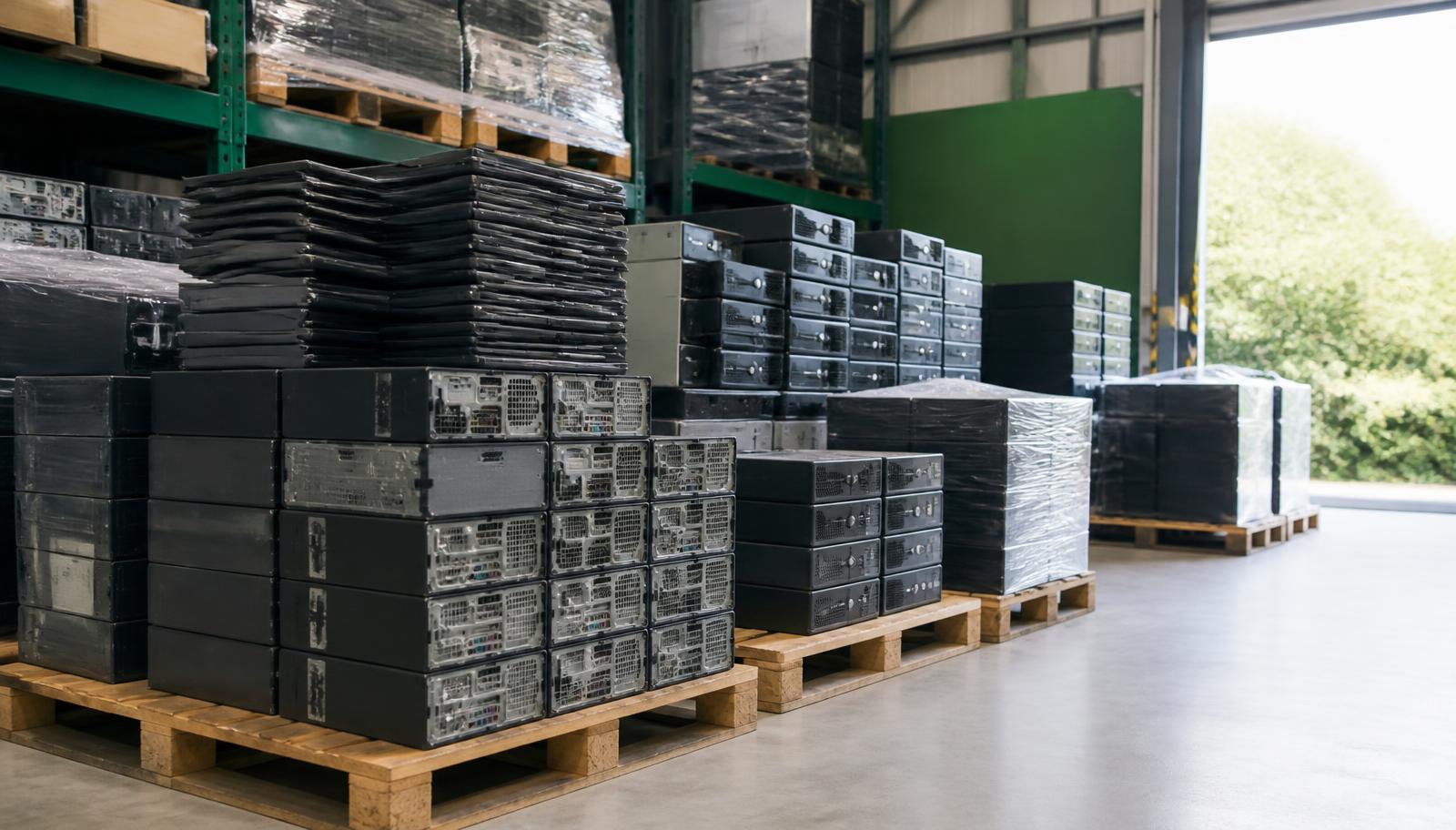
A pallet of retired desktops contains recoverable aluminium, copper, steel, gold-plated contacts and rare earth magnets. A proportion of the machines still have years of useful service in them once they have been wiped, tested and refurbished. Together, that recovered value covers collection, secure data destruction, processing and certification — which is why we do not need to charge you.
What we collect
- Laptops, desktops, workstations, thin clients and all-in-ones
- Servers, rack equipment, switches, routers, firewalls and UPS units
- Monitors, docking stations, keyboards, mice and cabling
- Hard drives, SSDs, backup tapes and optical media
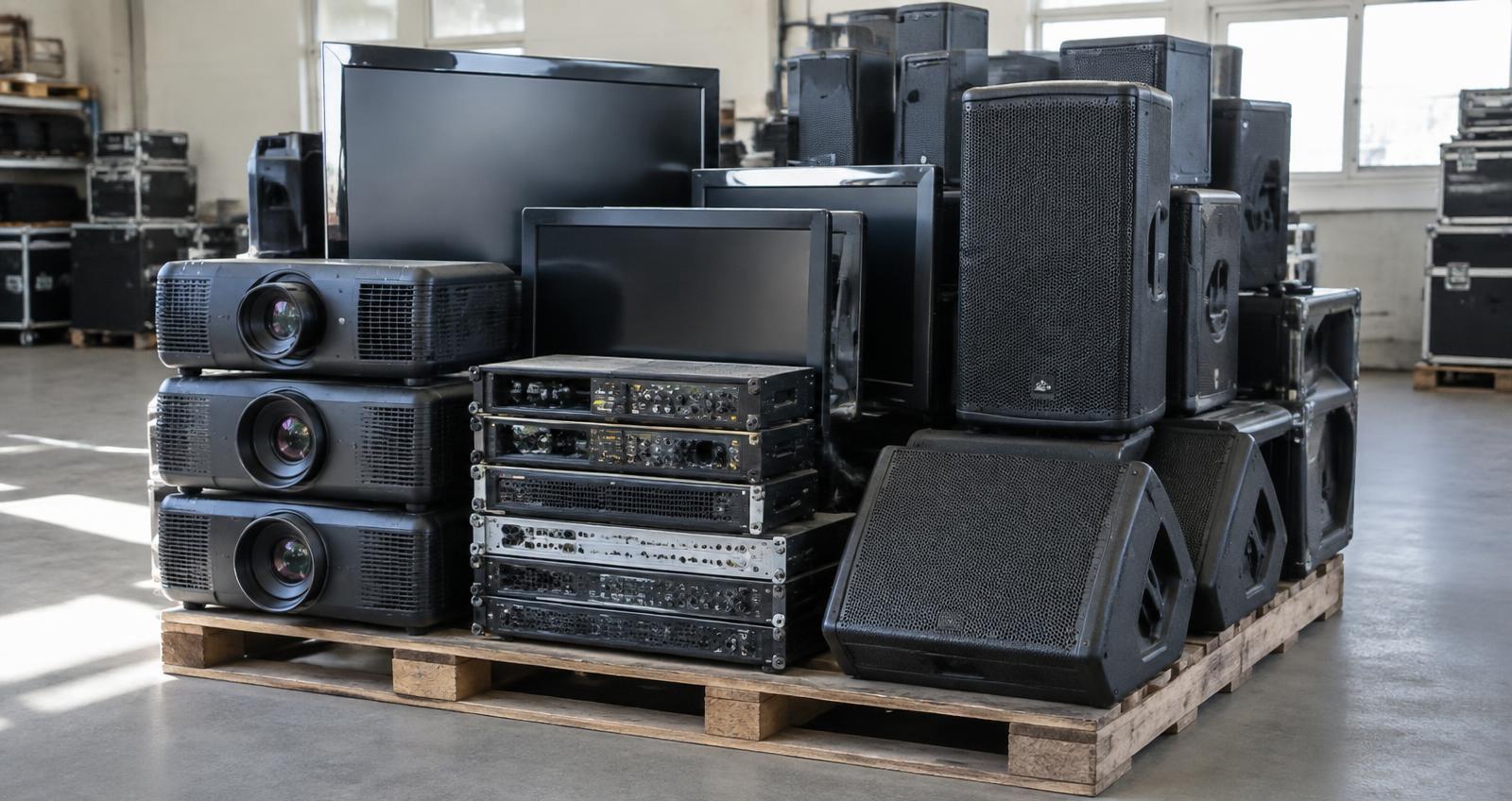
- Phones, tablets, printers and AV equipment
What we do not collect: white goods, kitchen appliances, furniture, fluorescent tubes and general office waste. If you are unsure about a specific item, tell us before collection day so we can confirm.
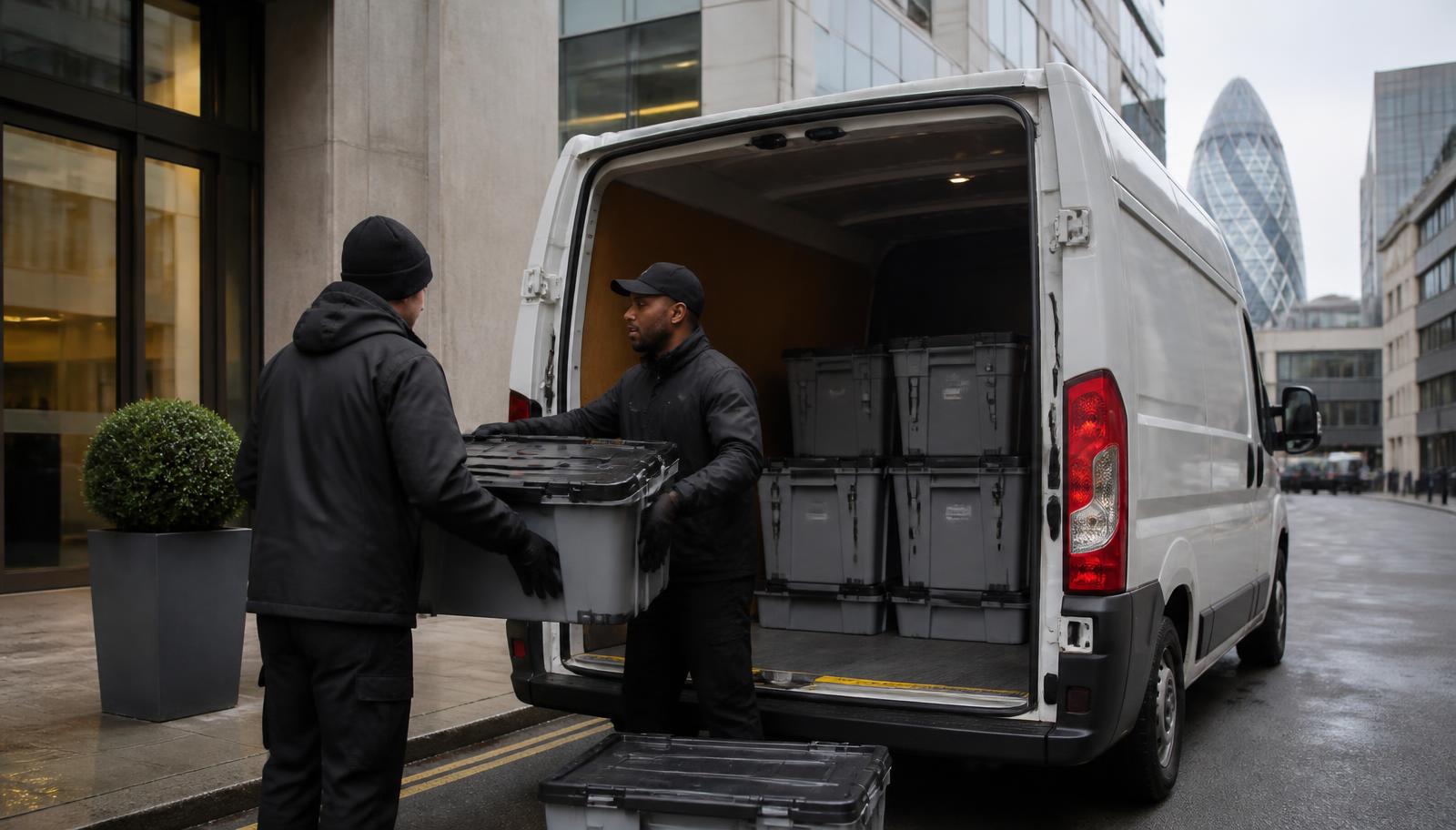
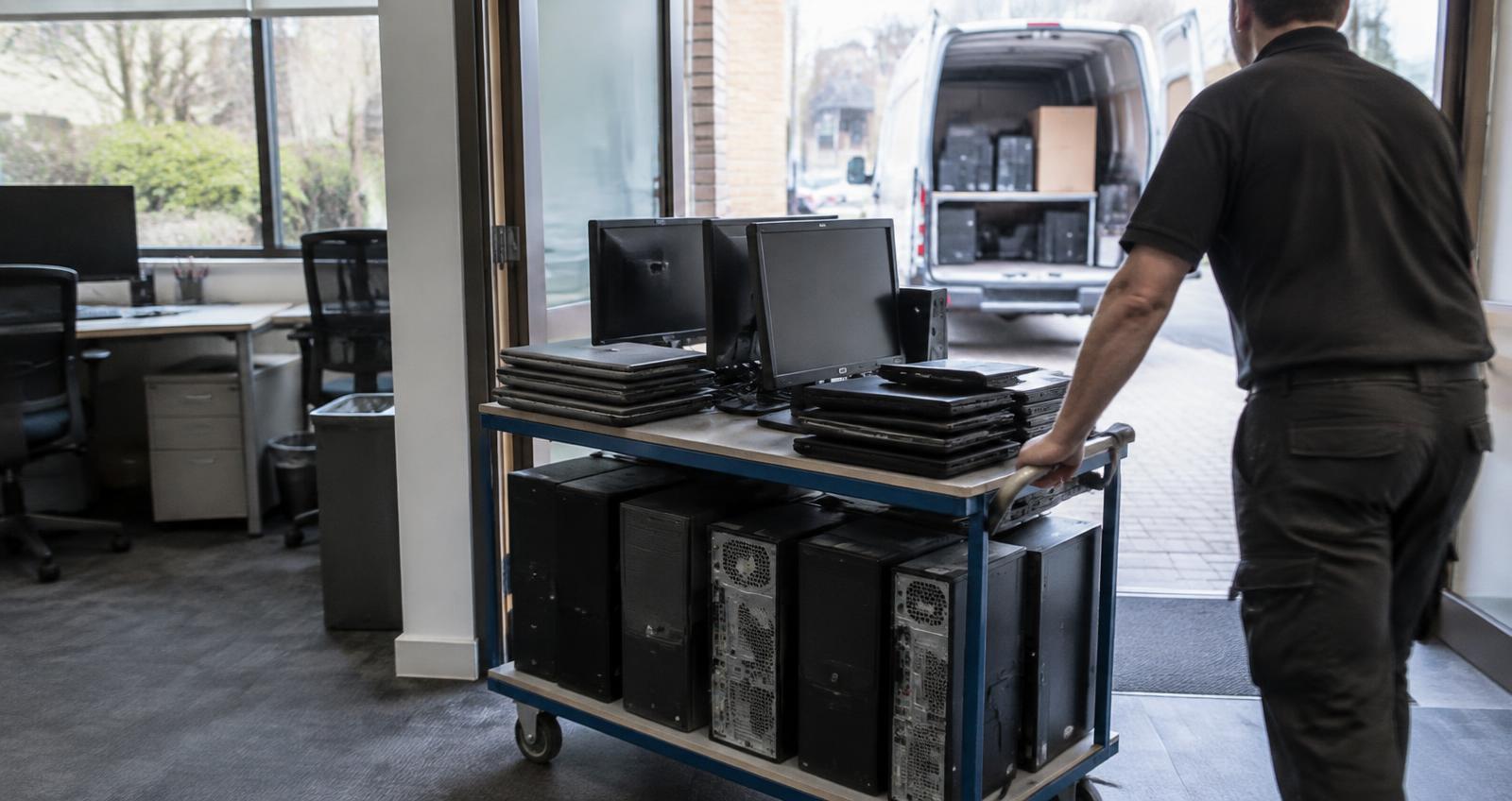
What happens on collection day in London
- Access is agreed in advance. Central London sites frequently need a loading bay slot, a goods lift booking or a permit — we plan around it rather than turning up and hoping.
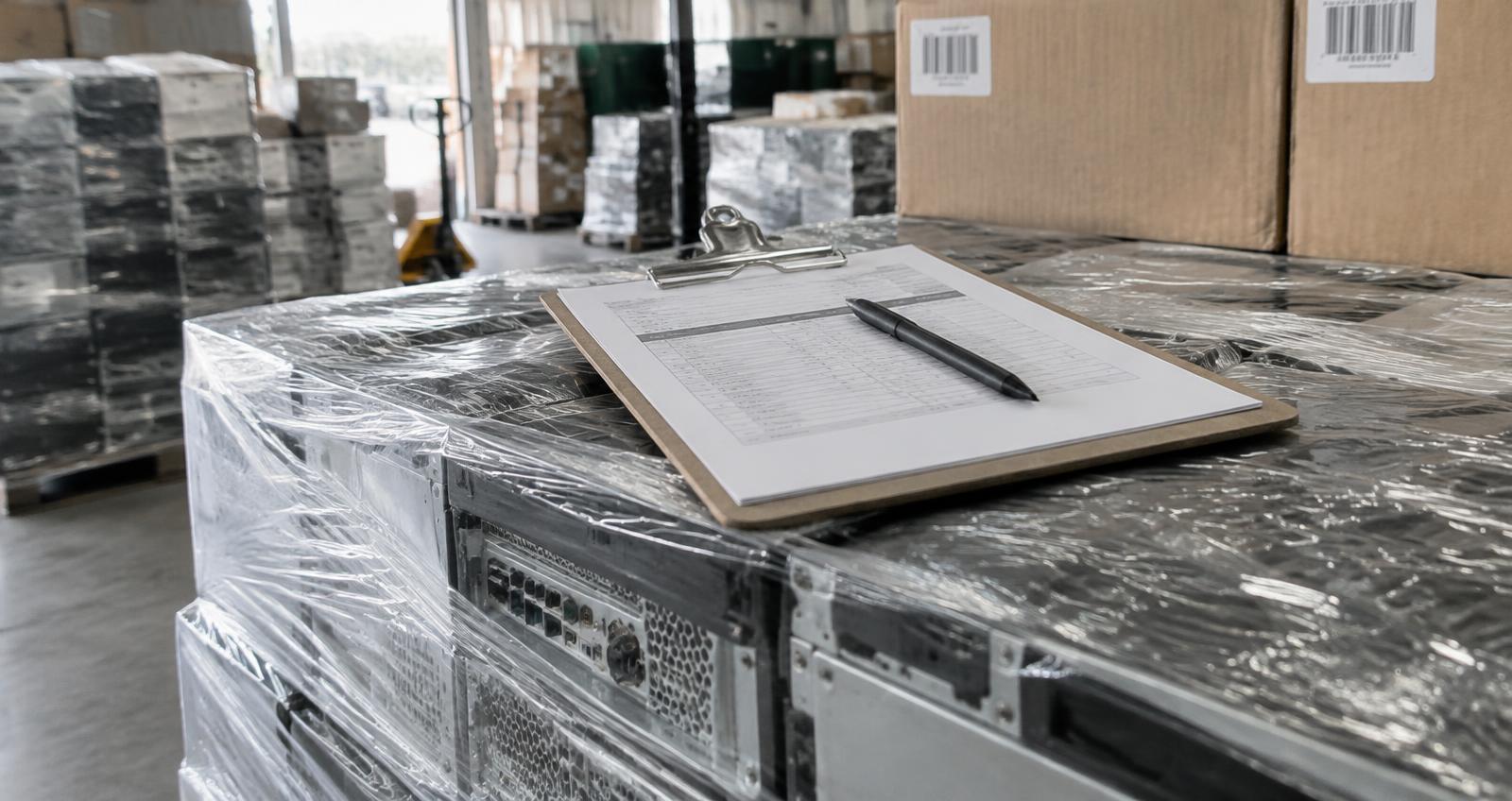
- Equipment is counted and crated. Items are logged at the point of collection so the paperwork matches what actually left your building.
- Data-bearing devices are sealed. Anything with storage goes into lidded crates for tracked transport.
- You get a collection reference. That reference tracks the job through processing so you can check progress.
What happens after the van leaves
Equipment is booked into our facility, and every data-bearing device is separated for sanitisation to the NIST 800-88 standard — wiped where the drive is healthy and verifiable, physically destroyed where it is not. Once media is dealt with, machines are triaged:
| Outcome | Typical equipment | What it means |
|---|---|---|
| Reused for charities and non-profits | Recent laptops and desktops in working order | Made available free of charge to vetted charities, schools and community groups |
| Recycled for raw materials | End-of-life or damaged equipment | Scrapped down to recover aluminium, copper, steel, gold and rare earths through a permitted facility |
Items which cannot be repurposed are scrapped down for their raw materials. Devices which are still functional or can be made functional are made available for charities and non-profits to receive free of charge.
Questions to ask any free IT recycling provider
Free should not mean vague. Before you release equipment, ask:
- Are you a licensed waste carrier? Ask for the registration and check it.
- What standard do you sanitise data to? The answer should be a named standard, such as NIST 800-88 — not "we format them".
- Do I get a Certificate of Destruction, and is it itemised? Serial-level records matter if you are ever audited.
- Who handles the equipment after you? If it is passed to a third party, your data risk travels with it.
- Is anything charged separately? Collection, minimum quantities, congestion charges and certificates are the usual add-ons.
A free service you can audit is worth more than a paid one you cannot.
Minimum quantities and small offices
We are realistic about volume — a full server room clearance and a ten-laptop office refresh are different jobs. Smaller London collections are usually grouped into a route so we can keep them free rather than turning them away. If you only have a handful of items, tell us and we will fit you into a nearby run.
Book a London collection
ByeByte collects across Greater London from our head office at Battersea Power Station, with processing capacity in London and Nottingham. Collection, data destruction and your certificate are all free. See our free IT recycling service for London or book a collection.