Why a US standard matters to a UK business
UK GDPR tells you that personal data must be protected with appropriate measures, but it deliberately does not prescribe a technical method. NIST Special Publication 800-88 ("Guidelines for Media Sanitization") fills that gap. It is the standard most UK IT disposal providers, auditors and insurers reference, because it defines verifiable outcomes rather than vague reassurance.
In practice, saying "we sanitise to NIST 800-88 Purge, verified, with a certificate" is a defensible answer. Saying "we format the drives" is not.
The three levels, in plain English
| Level | What it does | Recovery risk | Typical use |
|---|---|---|---|
| Clear | Overwrites user-addressable storage using standard read/write commands | Protects against software-based recovery | Device staying inside your organisation — reissued to another employee |
| Purge | Uses firmware-level commands (ATA Secure Erase, NVMe Format, cryptographic erase) to render data infeasible to recover, even in a lab | Protects against state-of-the-art laboratory recovery | Device leaving your organisation — resale, donation, lease return |
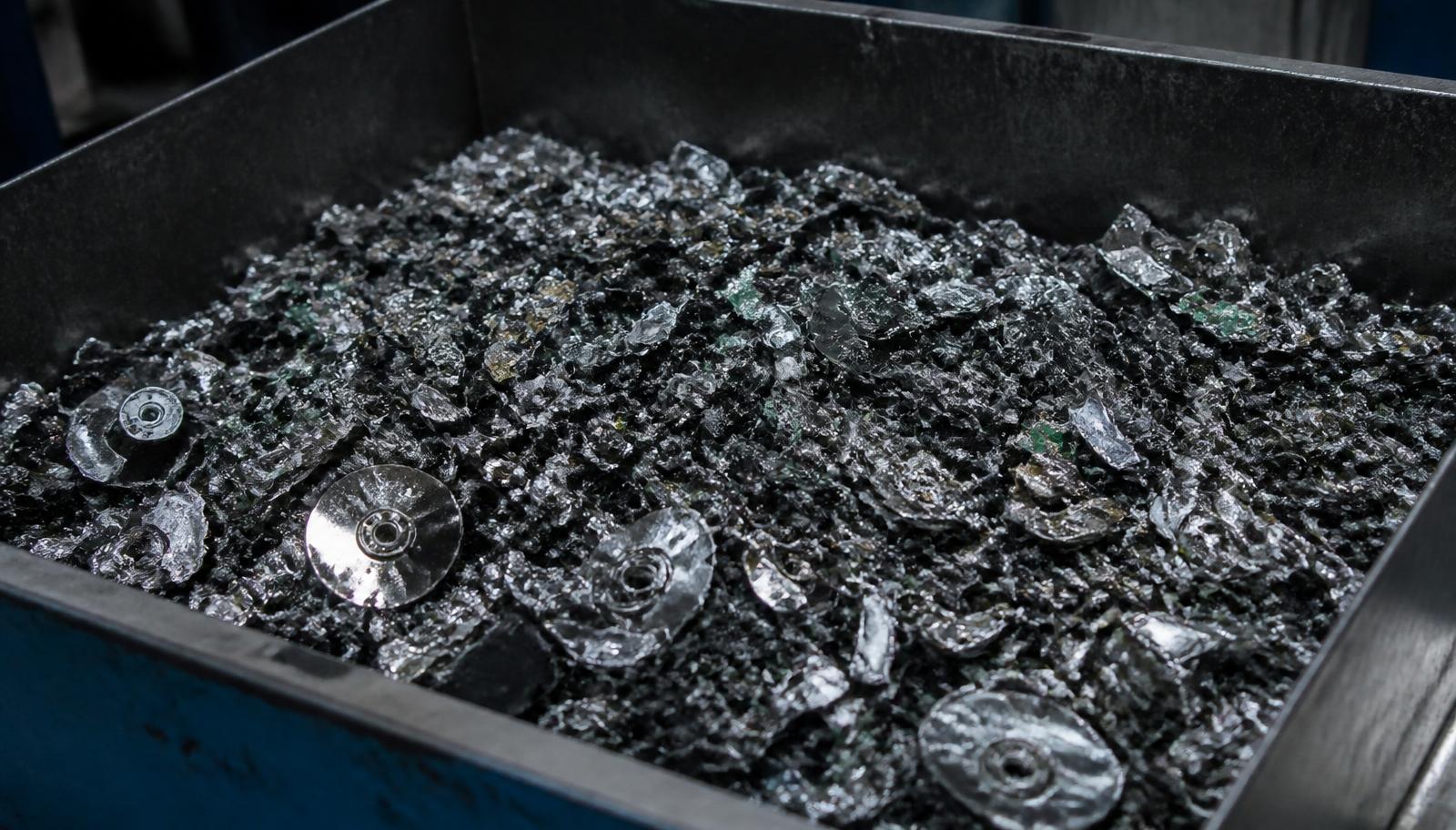
| Destroy | Physically shreds, disintegrates or incinerates the media | Media can no longer be used at all | Failed, locked or unverifiable drives; highest-sensitivity data |
The rule that catches people out: verification
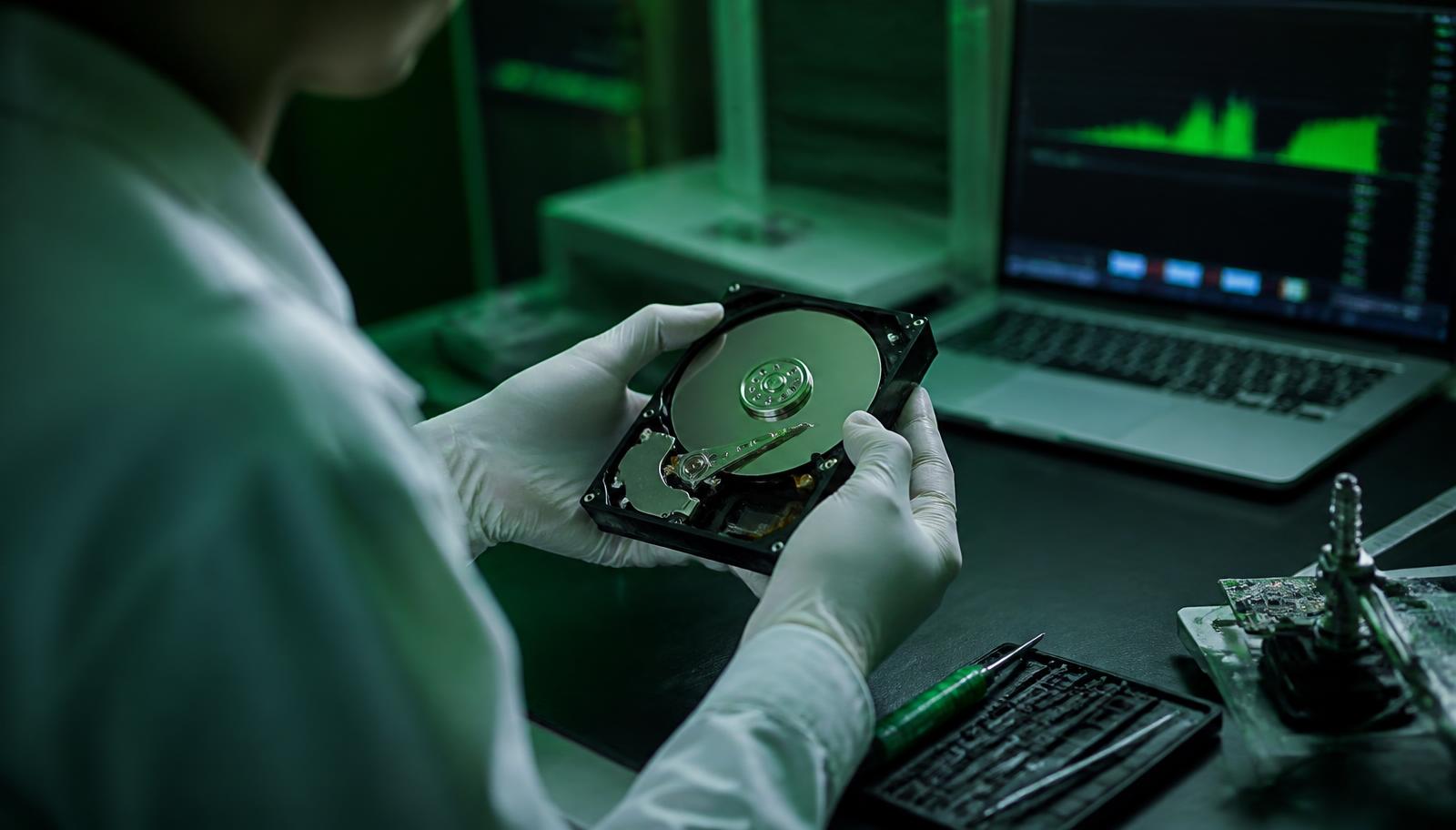
NIST 800-88 does not treat sanitisation as complete when the wipe finishes. It requires verification — confirming the process actually did what it claimed — and documentation. A wipe that reports success on a drive with failing sectors has not necessarily sanitised those sectors.
This is why a serious process always ends one of two ways: a verified wipe with a pass result, or physical destruction when verification cannot be achieved. There is no third option where a drive is "probably fine".
SSDs are not hard drives
Overwriting works well on spinning magnetic disks. On SSDs it is unreliable, because wear levelling means the controller may write your overwrite pattern to entirely different physical cells, leaving the original data intact in spare blocks. For flash media, NIST points to:
- Cryptographic erase — destroying the encryption key on a self-encrypting drive, making the ciphertext unreadable
- Firmware sanitise commands — the drive's own block erase across all cells, including spares
- Physical destruction — where the controller is unresponsive or the drive is out of warranty and locked
The same caution applies to eMMC storage soldered into thin laptops and tablets, and to the flash in modern printers and multifunction devices — a routinely overlooked source of scanned documents.
Don't forget these devices
- Multifunction printers and copiers with internal drives
- Network appliances, firewalls and NAS units
- VoIP handsets and video conferencing systems
- USB sticks, SD cards and external backup drives in desk drawers
- Backup tapes — see our backup tape destruction service
What your evidence should look like
If the ICO, an auditor or a client asks how you disposed of a device, you should be able to produce a record showing:
- The device make, model and serial number
- The sanitisation method applied and the standard it maps to
- The verification result
- The date, the operator or organisation, and a signature
Compliance is not what happened to the drive. It is what you can prove happened to the drive.
How ByeByte handles it
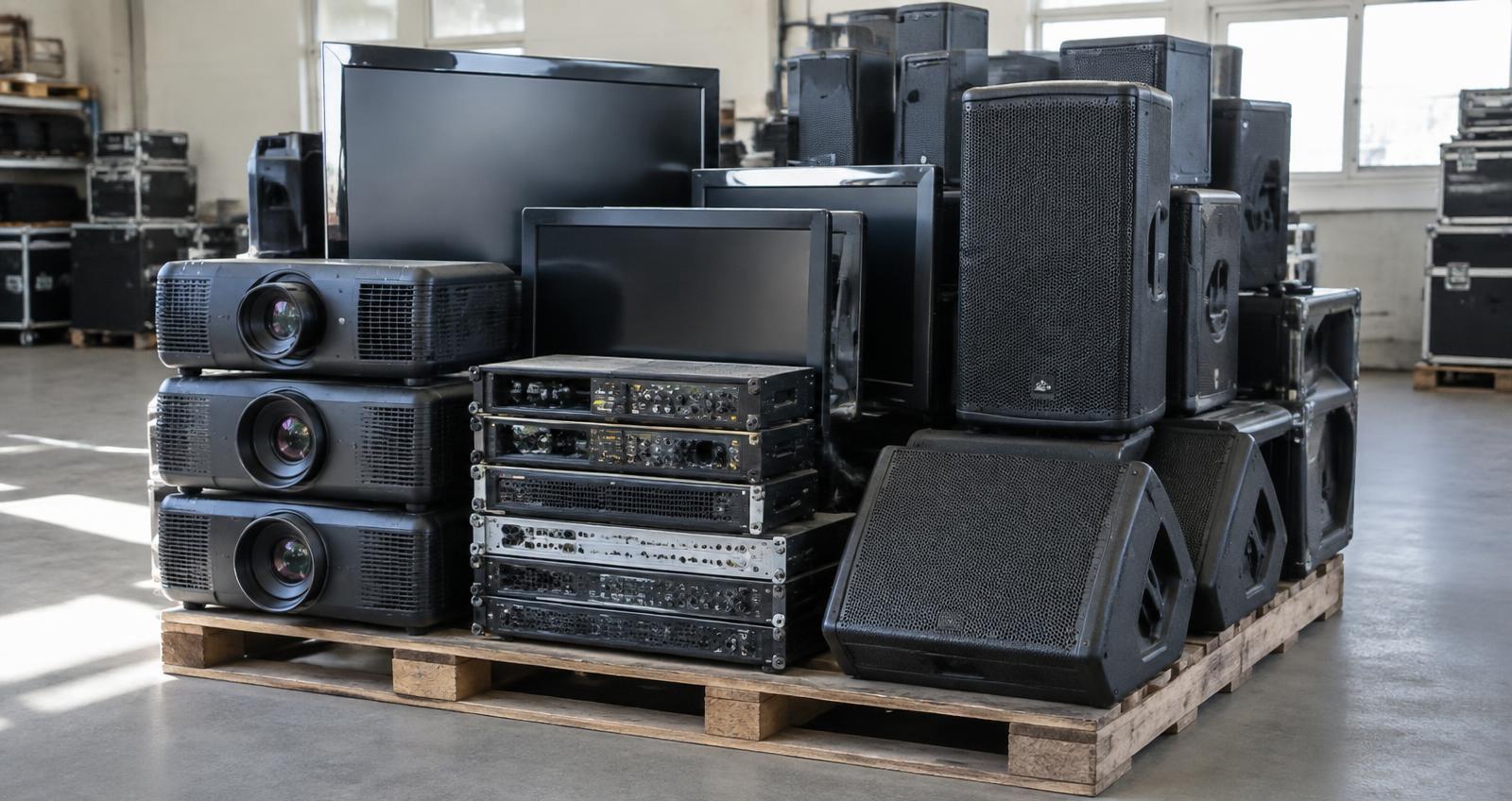
Every data-bearing device we collect is sanitised to NIST 800-88. Healthy drives are purged and verified; anything that cannot be verified is physically destroyed. Both routes are recorded against the device serial and issued to you as a signed Certificate of Destruction — free of charge, as part of our collection service. Once data is removed, devices that are still functional or can be made functional are made available for charities and non-profits to receive free of charge; equipment that cannot be repurposed is scrapped down for its raw materials.
Items which cannot be repurposed are scrapped down for their raw materials. Devices which are still functional or can be made functional are made available for charities and non-profits to receive free of charge.